

Types of Cable
There are kinds of cables used in a structured cabling system depends on its purpose and your business needs. Here are some commonly used cables in a structured cabling system.
Fiber Optic Cable
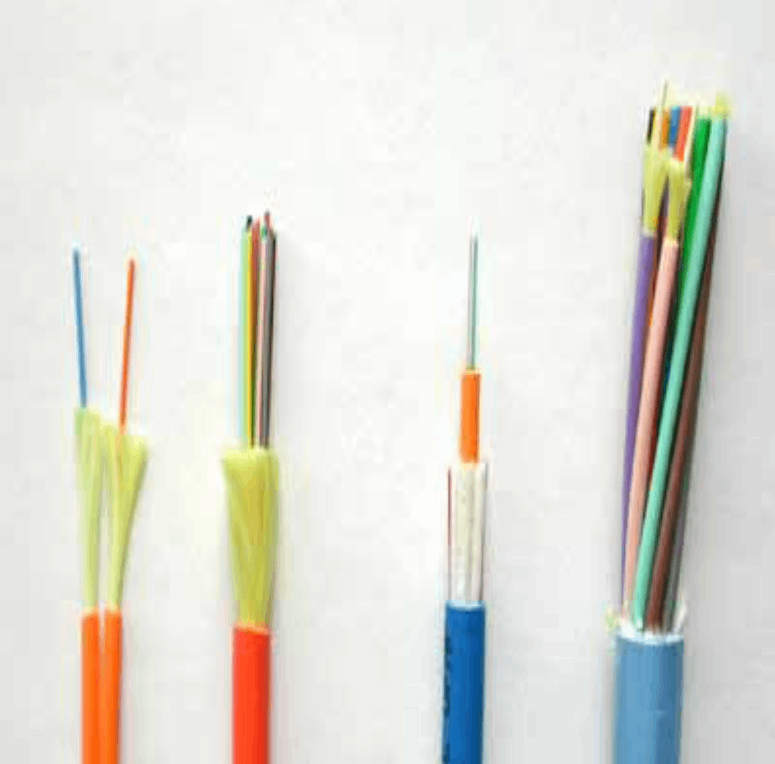
Fiber optic cable, also called as optical fiber cable, is a type of Ethernet cable which consists of one or more optic fibers that are used to transmit data. Fiber optic cable transmits data as pulses of light go through tiny tubes of glass. The transmission capacity of optical fiber cable is 26,000 times higher than that of twisted pair cable.
Different kinds of fiber optic cables may be used for long-distance telecommunication or high-speed connections between buildings.
For neighborhoods direct access like the FTTH, FTTP, FTTB, FTTC, etc., it is called “last mile” installations.
Twisted Pair Cable
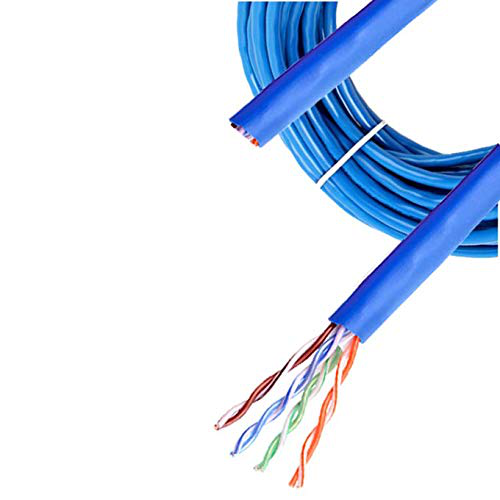
Twisted pair cable is often used for telephone communications and most modern Ethernet networks. It is a kind of wiring in which two conductors of a single circuit are twisted together. A pair of wires forms a circuit that can transmit data.
There are two types of twisted pair Ethernet cables:
- Shielded twisted pair (STP)
- Unshielded twisted pair (UTP)
UTP cables (Cat5, Cat5e, Cat6, Cat6a and Cat7) are used most commonly for telephones and computer networks.
Coaxial Cable
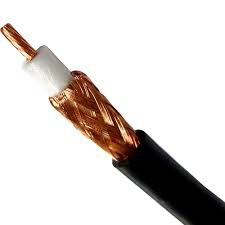
Coaxial cable, or coax cable, is designed to transmit high-frequency electrical signals with low loss.
RG59 and RG6 are types of coax cables mostly used in residential applications.
Coaxial cables are commonly used for:
- Cable television
- Telephone
- Broadband internet
- Computer data
- Connecting radio transmitter and receivers to antennas
Fiber Optic Cable vs Twisted Pair Cable vs Coaxial Cable: What’s the Difference?
These three types of cables distinguish from each other in cable performance and capacity.
Speed, Bandwidth & Distance
Coaxial cable and twisted pair cable are copper or copper-based wire surrounded by insulation with other materials. Both of them can transmit television, telephone and data with electrical signals. While fiber optic cable can deliver the same types of signals with much wider bandwidth, faster speed and higher frequencies. It’s made of very thin, pliable tubes of glass or plastic.
| Cable Type | Speed | Bandwidth | Distance |
|---|---|---|---|
| Fiber optic cable | 10/100/1000 Mbps, 10/40/100/200 Gbps |
Up to 4700 MHz | Up to 80km |
| Twisted pair cable | Up to 10 Gbps | Up to 4700 MHz | Up to 100m |
| Coaxial cable | – | 750 MHz (default) | Up to 500m |
Installation
Optical fiber cable offers a big benefit in terms of the flexibility of bandwidth and reliability, however fiber is fragile and thinner than twisted pair cable and coaxial cable, which make it need more cares to install, operate and maintain. Compared with twisted pair cable, coaxial cable can reach longer distance. However, due to the dielectric insulator around the core copper in coaxial cable, it’s difficult to install and maintain coaxial cable.